Everyone has a different financial situation. I share my approach to budgeting here.
I bought a house with my husband in 2016. The house was in as-is condition. We did minor repairs and painted a wall. We also hired contractors to remodel the bathroom.

There is a rule. Housing expenses should not exceed 28% of gross monthly income.
By the way, Japanese people think housing expenses should not exceed 25% (~30%) of net monthly income (also known as take-home pay).
We had a $150k mortgage. A mortgage is a type of debt. We were focused on paying for the mortgage. As a result, we paid off the mortgage in 7 years and 3 months.
We didn’t travel (we spent over $10,000 each time when we returned to Japan), and we didn’t waste money on food either.
During the COVID-19 pandemic, the kids (not online) school offered free meals for students.
I think most parents didn’t know about it. I went to pick up food twice a week.


 I finished graduate school in 2019. The tuition was paid by my employer (tuition reimbursement program). To gain experience, I had a side job.
I was very busy. I don’t know if it was good or not. I didn’t spend money at all. I transferred my money to an Amex savings account for the future.
アメリカン・エキスプレス(American Express)のセービングアカウント(Savings Account)とは? – LILI EN FLORIDA
Every day I read finance news and Japanese real estate blogs. Sometimes I study real estate laws and regulations.
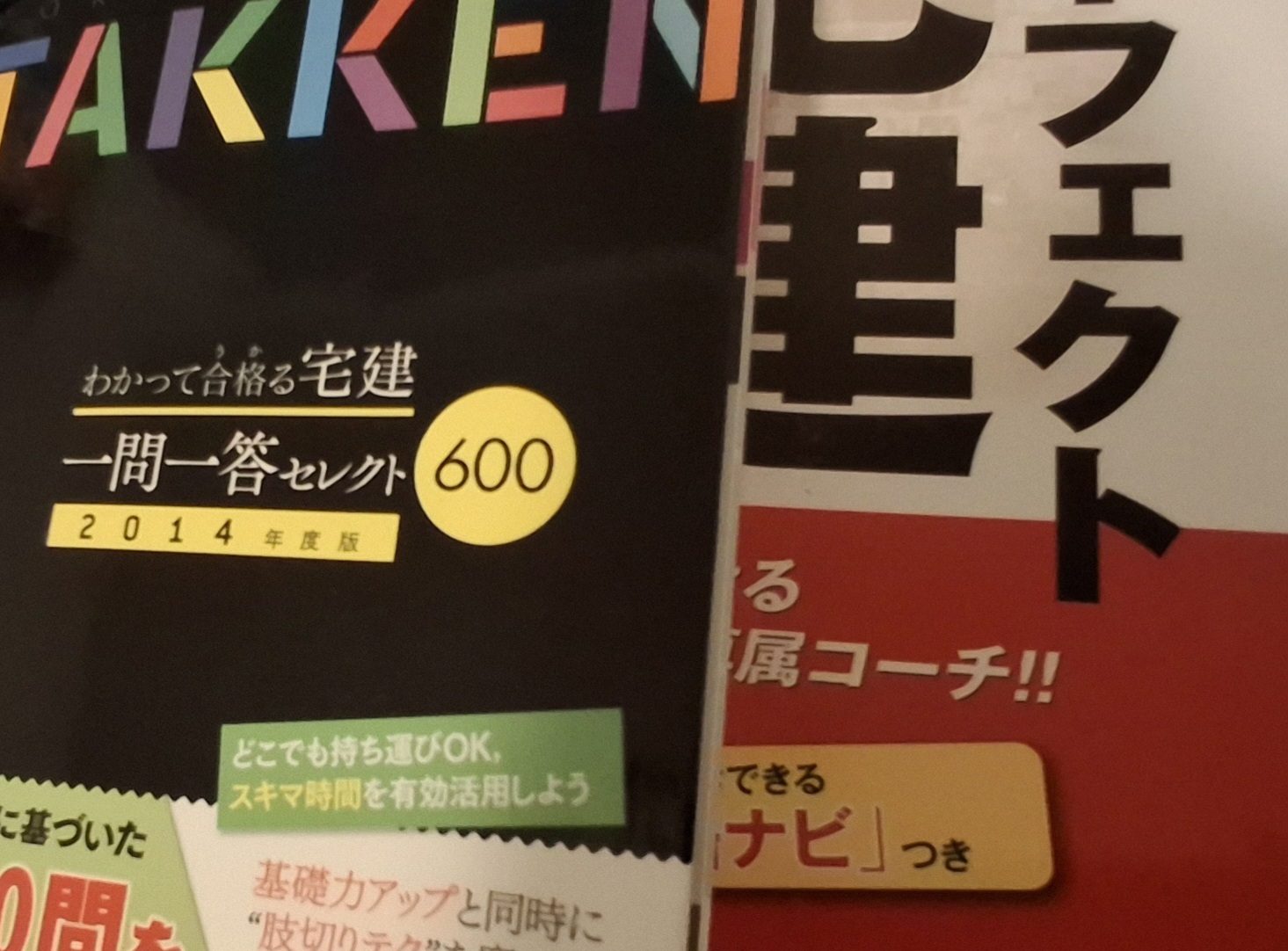
Ten years ago, I bought two books in Japan and am still reading. Japanese laws and regulations are very difficult.
I have a little break here. ↓
 For example, 胎児 is fetus in English but also means unborn baby. What is the meaning of 胎児 under the Japanese Civil Code?
My next goal is to buy a small house in Japan.
Money is important. 🙂
フロリダ州で6人家族の生活費はいくら? – LILI EN FLORIDA
Photos by LILI & Pinterest